


Afro hair
Afro hair transplant is a specialized procedure designed to address the unique characteristics of afro-textured or kinky hair. Men and women with curly, coiled strands often face challenges with hair loss and thinning. This method offers a tailored solution to restore natural volume, curl pattern, and texture with precision.
But an afro hair transplant is not just a cosmetic fix. It is a careful blend of science and artistry aimed at bringing back your natural curls exactly as they were meant to be. Because afro hair has tightly coiled strands and curved follicles, it needs special techniques and experienced hands to achieve natural, lasting results.

info
Afro-textured hair is beautiful and complex. Its coily pattern, curved follicles, and natural thickness make it more challenging to transplant compared to straight or wavy hair. That’s why this procedure requires both expertise and a tailored approach.
The roots of Afro hair are curly beneath the skin, not just above it. This makes graft extraction more delicate, as improper handling can damage follicles. Our specialists use fine-tuned DHI tools to ensure every curl is preserved from root to tip.
The aim is to restore density without altering your natural texture. Each follicle is placed in a way that keeps your curl pattern consistent, giving a natural, balanced look that matches your original style.


Method
At Esthetic Hair Turkey, we rely exclusively on Direct Hair Implantation (DHI) which is one of the most advanced and accurate hair restoration techniques available today.
DHI uses a specialized implanter pen to extract and implant hair follicles directly into thinning areas. This process minimizes handling, reduces scarring, and gives the surgeon full control over depth, direction, and angle which is essential for maintaining natural curl flow.
Traditional techniques such as FUE can be riskier for Afro-textured hair because of the follicle’s curved shape. DHI allows for gentle extraction and precise implantation, protecting the integrity of each graft and preserving the curl.
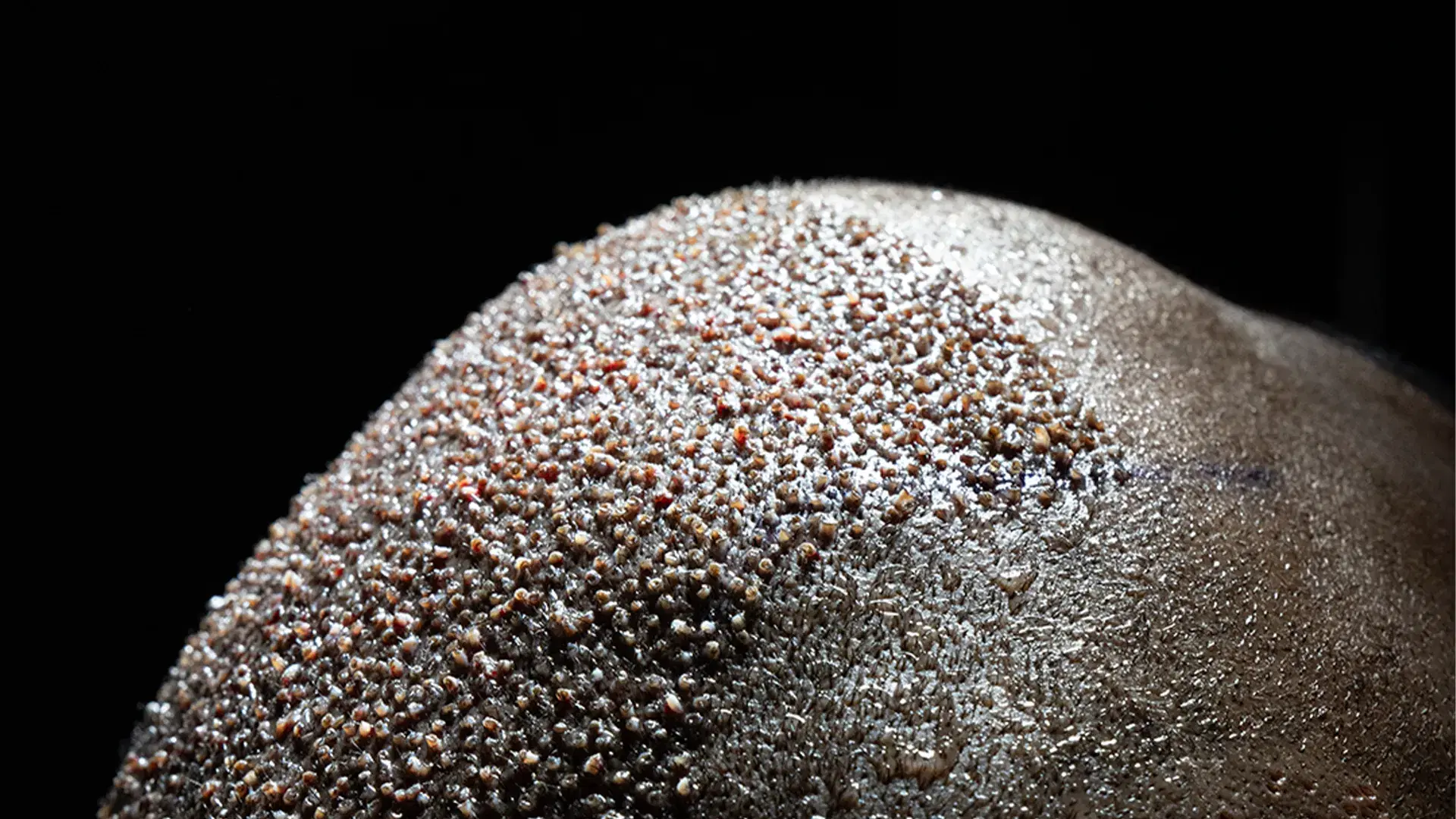

Result
Recovery is generally quick and comfortable. Patients may experience minor redness for a few days, but since DHI causes minimal trauma, healing happens faster and with fewer visible marks.
• Keep the scalp clean and moisturized after surgery.
• Avoid tight hairstyles that pull on new grafts.
• Follow your doctor’s post-care advice strictly.
• Be patient. Curls take time to settle naturally.
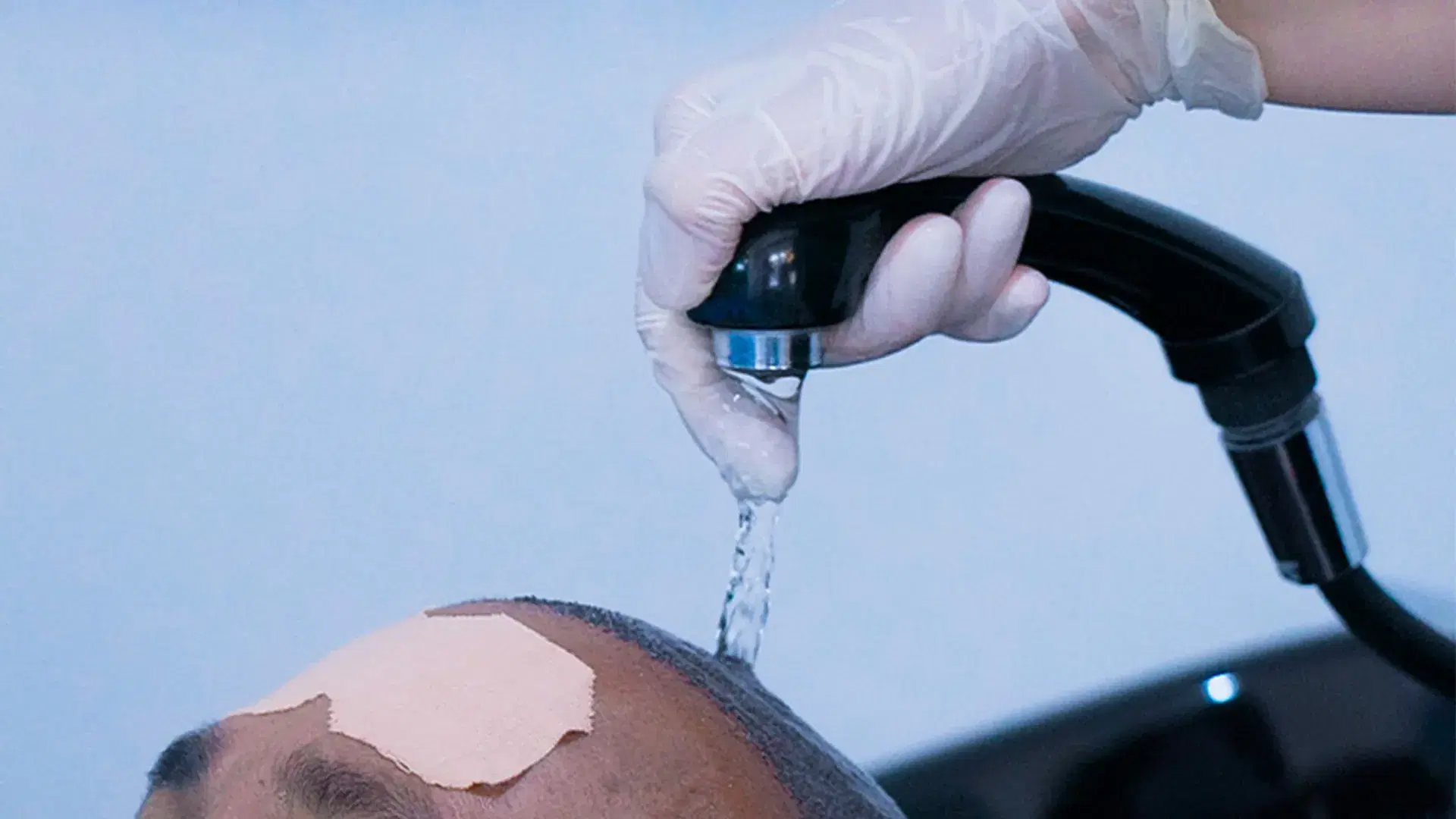
Afro hair transplant is about more than restoring hair. It is about bringing your texture, confidence, and individuality back to life. With the DHI technique, our team at Esthetic Hair Turkey ensures every curl is protected, every strand is respected, and your final result feels just like you.

Procedure
Afro hair transplant requires a specialized approach because curly follicles grow beneath the scalp at unique angles. The procedure is carefully planned to protect each graft and achieve natural density.
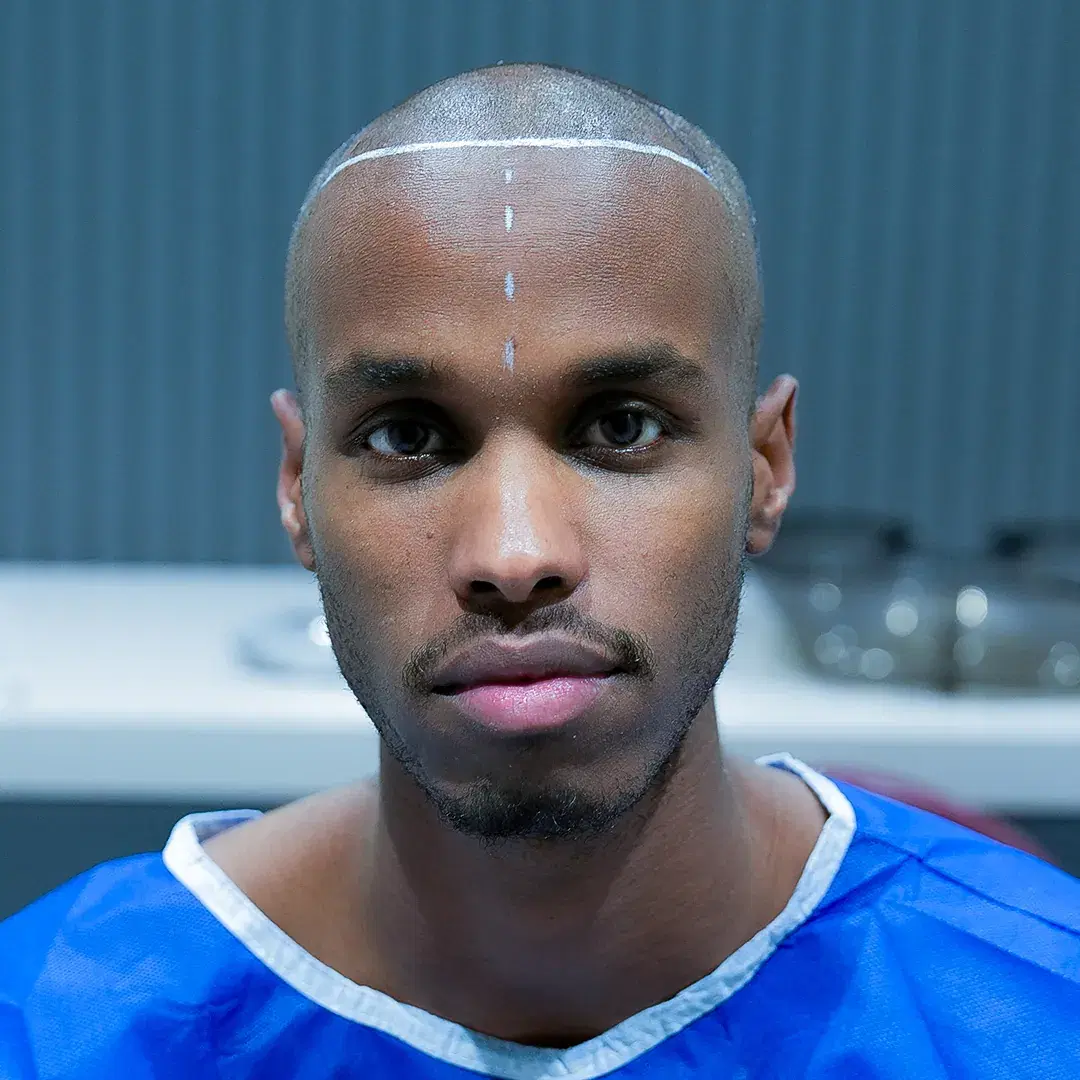
The process starts with a detailed scalp and hair analysis. The surgeon evaluates curl pattern, donor strength, and hair density to design a hairline that suits Afro-textured hair naturally. This step is critical, no copy-paste hairlines here.
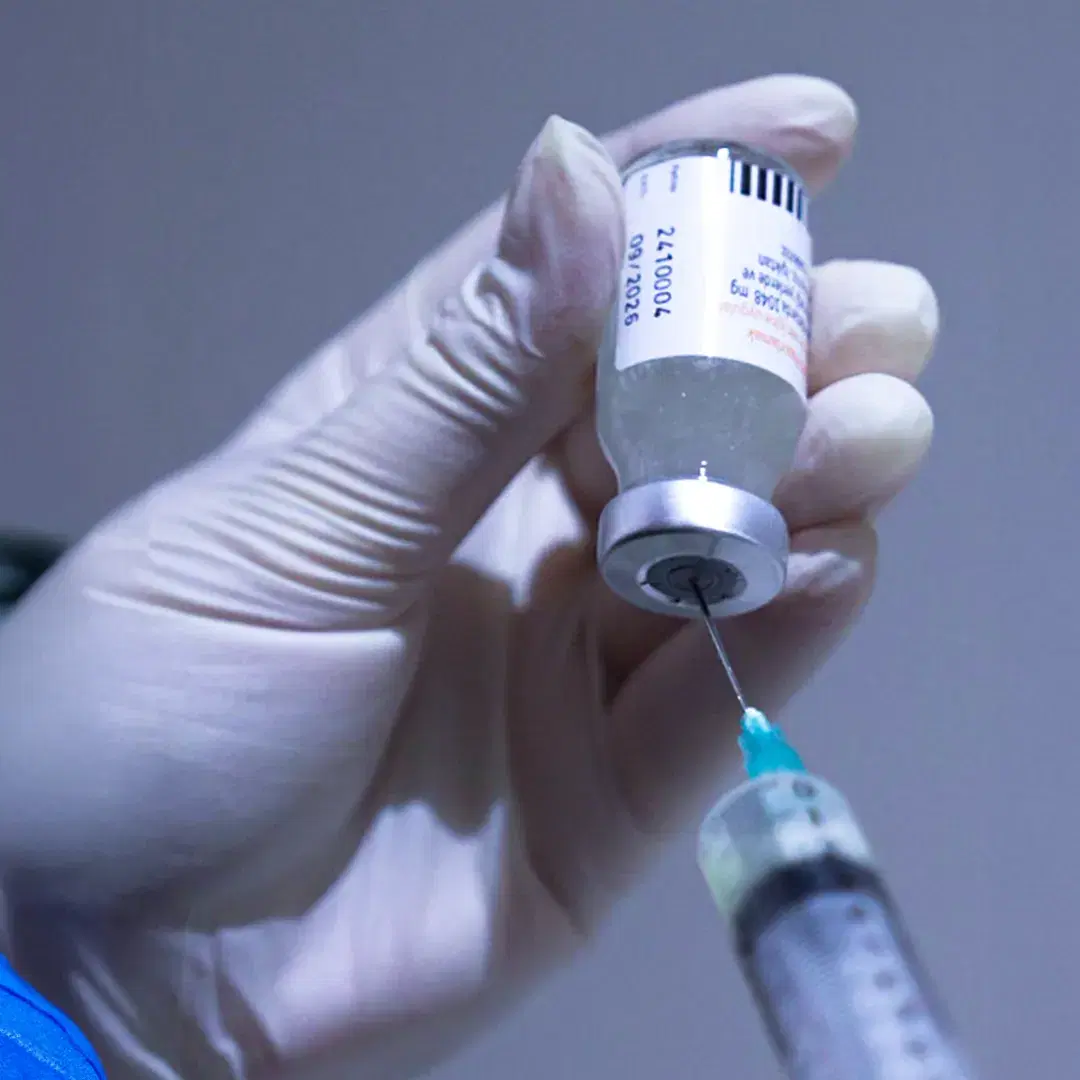
On the day of the procedure, the donor and recipient areas are prepared. Local anesthesia is applied, so you stay awake but feel no pain during the transplant.
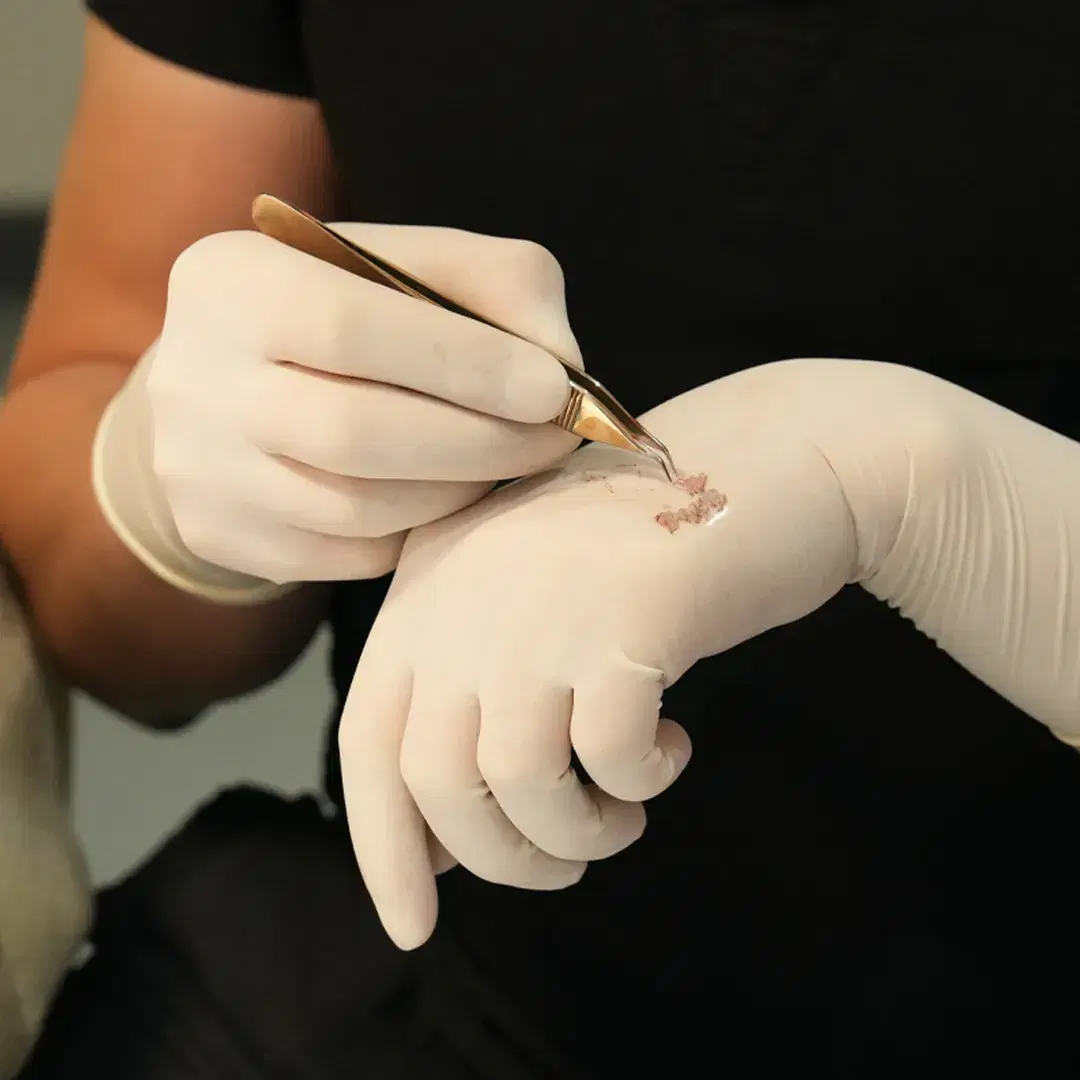
Hair follicles are extracted one by one from the donor area, usually the back of the scalp. Because Afro hair follicles are curved under the skin, extraction is done slowly and precisely to avoid graft damage.
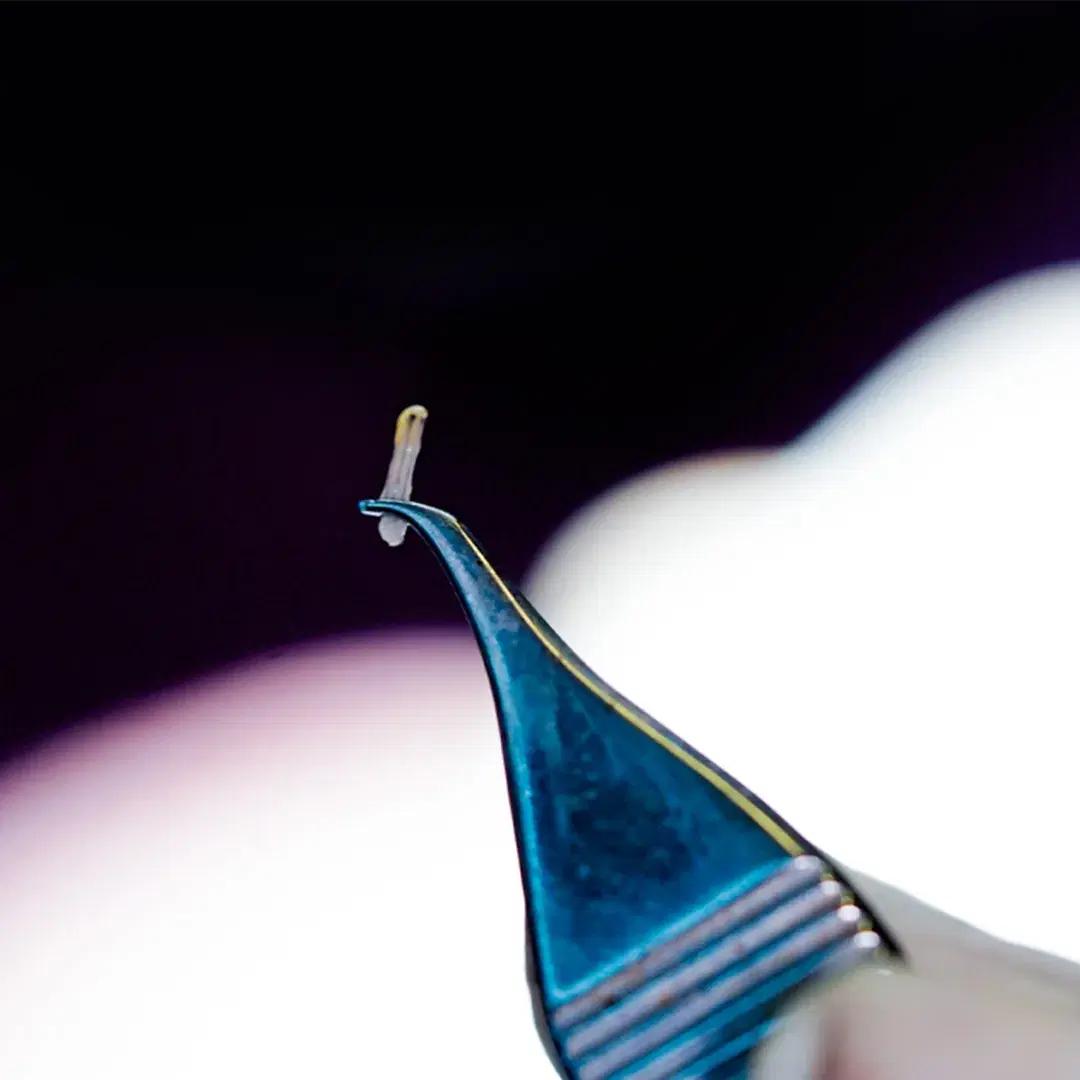
Each extracted follicle is carefully preserved to maintain its natural curl structure. Proper handling at this stage directly affects survival rate and final texture.
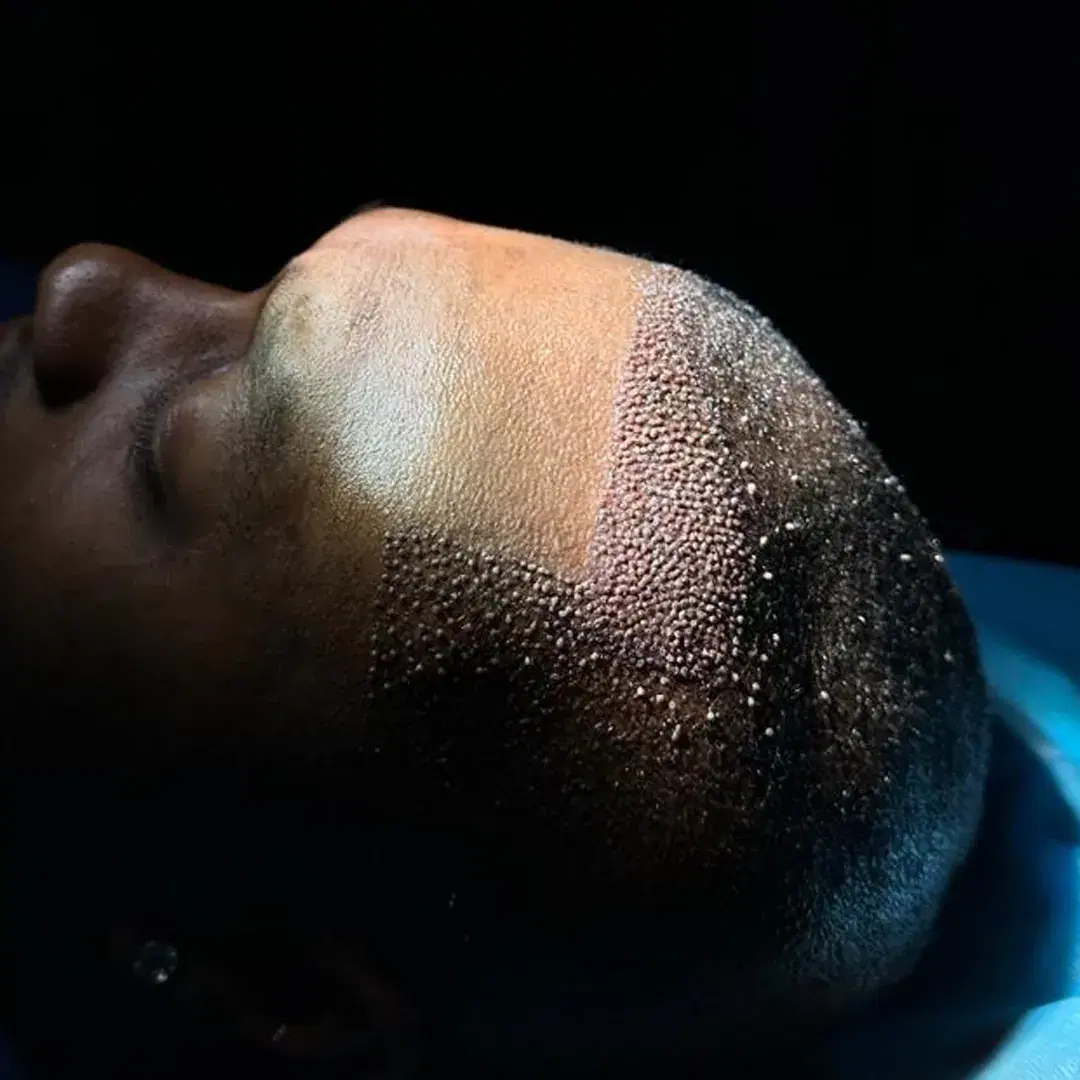
Using advanced implantation techniques, often DHI for maximum control, grafts are placed at the correct angle and depth. This ensures the transplanted hair grows with the same curl pattern and direction as your existing hair.
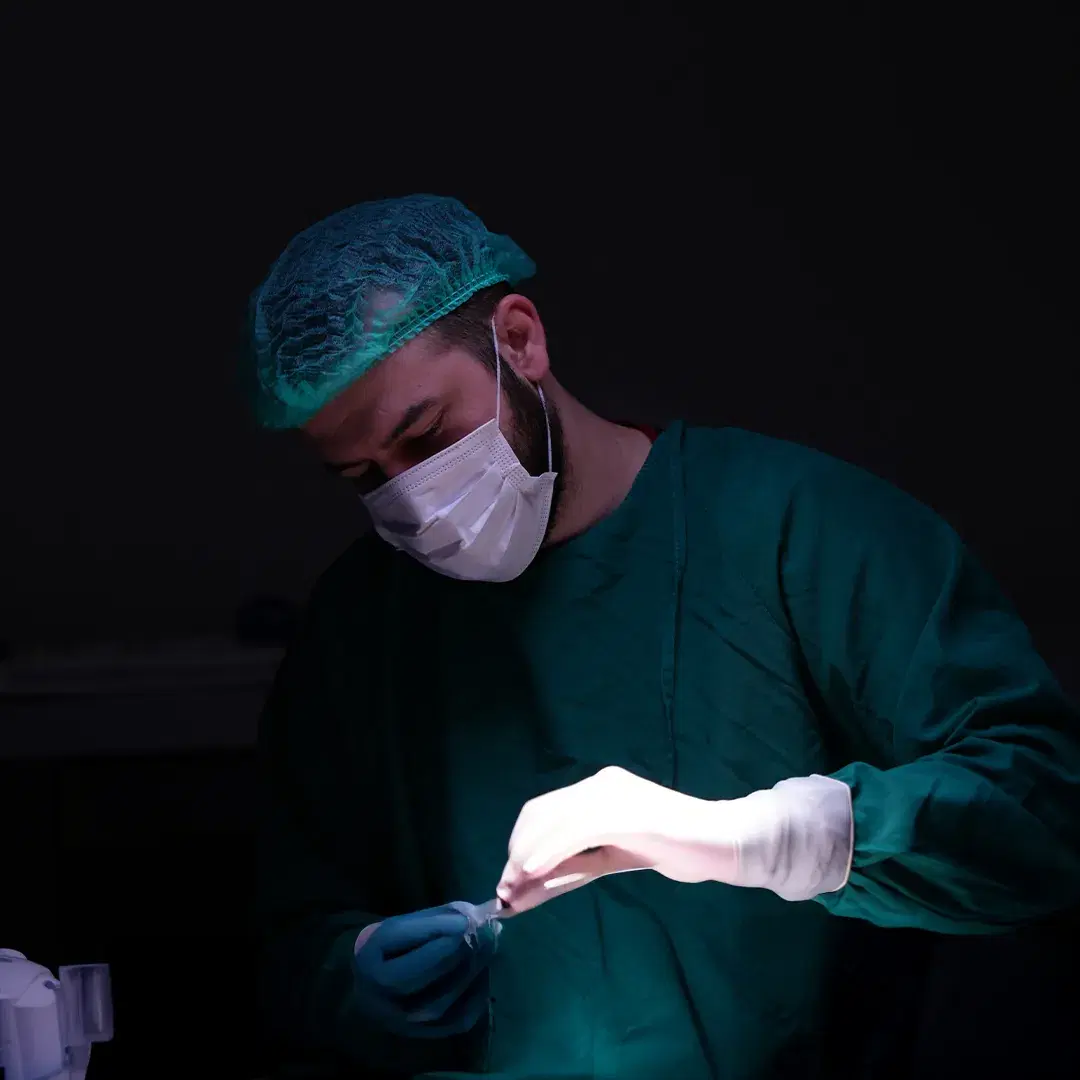
The transplant can take several hours depending on the number of grafts. You can rest, listen to music, and take breaks if needed. Most patients describe it as comfortable and relaxed.
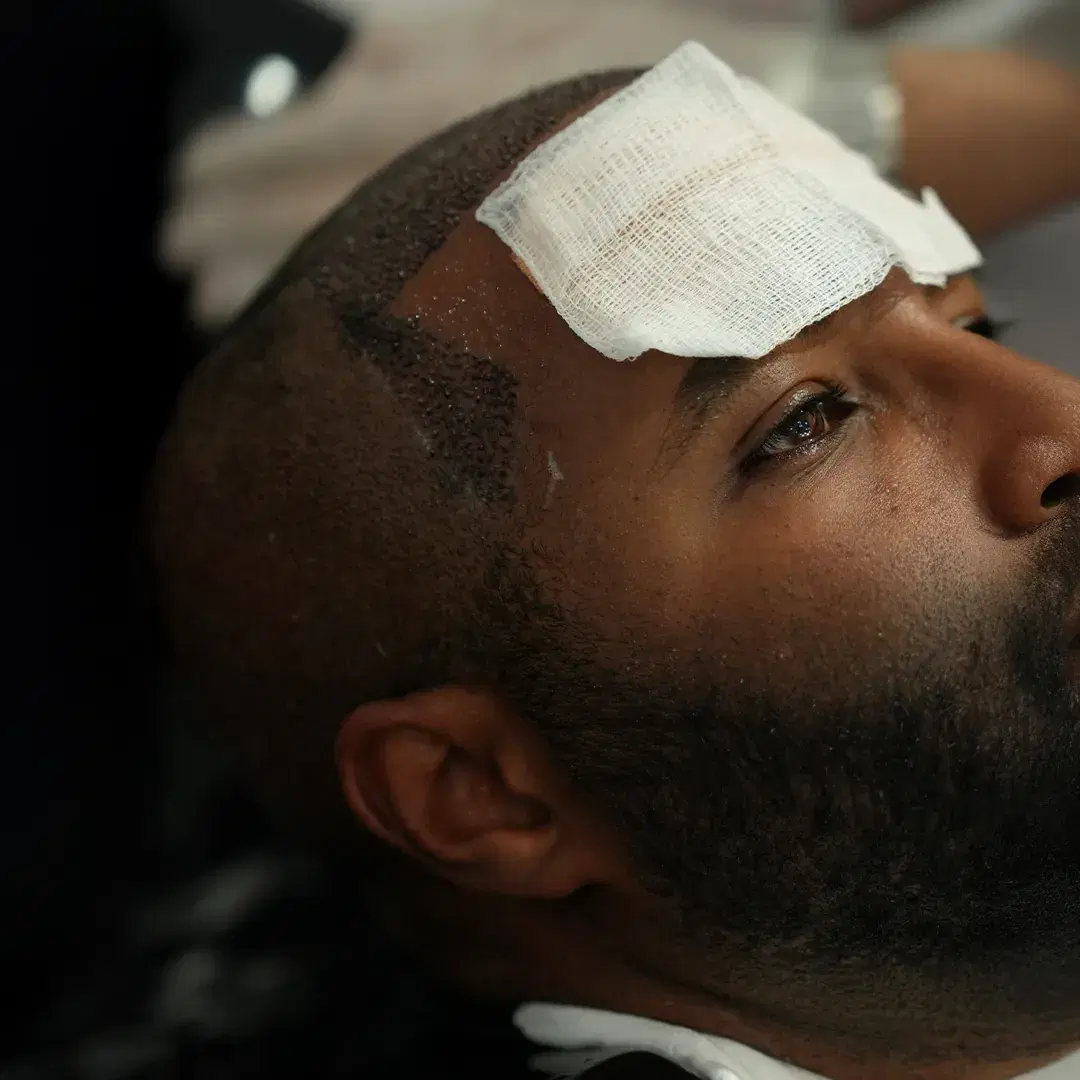
Once implantation is complete, the scalp is cleaned and checked. Mild redness is normal, but discomfort is minimal. You’ll receive clear aftercare instructions before leaving the clinic.

You can usually return to daily activities shortly after. The transplanted area is discreet, and healing begins quickly when proper aftercare is followed.
The process starts with a detailed scalp and hair analysis. The surgeon evaluates curl pattern, donor strength, and hair density to design a hairline that suits Afro-textured hair naturally. This step is critical, no copy-paste hairlines here.
On the day of the procedure, the donor and recipient areas are prepared. Local anesthesia is applied, so you stay awake but feel no pain during the transplant.
Hair follicles are extracted one by one from the donor area, usually the back of the scalp. Because Afro hair follicles are curved under the skin, extraction is done slowly and precisely to avoid graft damage.
Each extracted follicle is carefully preserved to maintain its natural curl structure. Proper handling at this stage directly affects survival rate and final texture.
Using advanced implantation techniques, often DHI for maximum control, grafts are placed at the correct angle and depth. This ensures the transplanted hair grows with the same curl pattern and direction as your existing hair.
The transplant can take several hours depending on the number of grafts. You can rest, listen to music, and take breaks if needed. Most patients describe it as comfortable and relaxed.
Once implantation is complete, the scalp is cleaned and checked. Mild redness is normal, but discomfort is minimal. You’ll receive clear aftercare instructions before leaving the clinic.
You can usually return to daily activities shortly after. The transplanted area is discreet, and healing begins quickly when proper aftercare is followed.
The overall cost of an afro hair transplant depends on factors like the number of grafts needed, the complexity of the curl pattern, and the level of expertise required for the procedure. Since afro-textured hair needs a more precise and experienced approach, choosing the right clinic matters more than anything.
At our clinic, afro hair transplants are planned and performed by specialists who understand curly follicle anatomy and implantation angles in detail. Thanks to our location in Turkey and optimized medical infrastructure, we’re able to offer highly precise procedures at a much more affordable level compared to clinics in the US or Europe, without compromising on quality or results.
Each treatment plan is personalized after consultation, ensuring you receive the right technique, careful graft handling, and long-term natural outcomes, all with transparent planning and no unnecessary extras.

FAQ